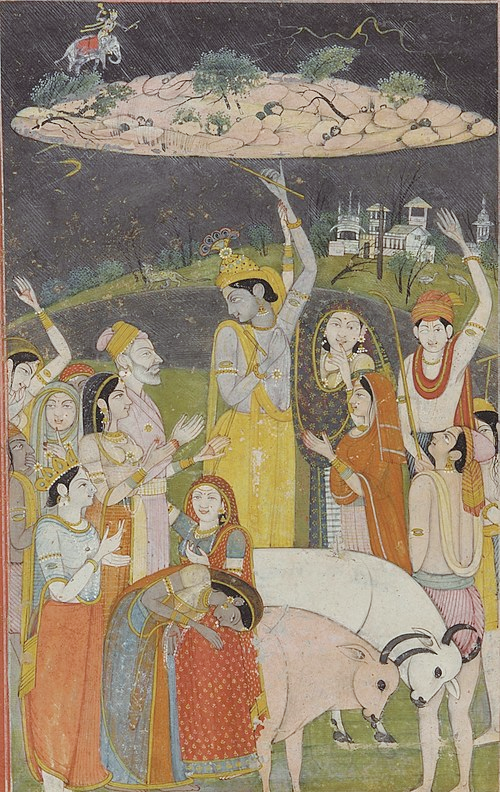
यदा यदा हि धर्मस्य ग्लानिर्भवति भारत। अभ्युत्थानमधर्मस्य तदात्मानं सृजाम्यहम्॥
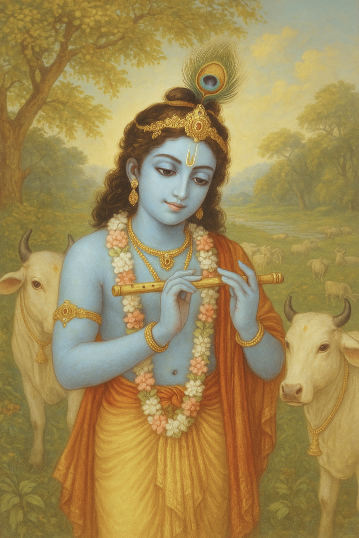
Krishna—he is dark as night; his lotus eyes grace whatever they see; he enchants the world with his melodies. To his devotees, Krishna is more than a deity—he is a friend, a parent, a teacher, and a child. Apart from the core values of life, Krishna teaches us something that is becoming increasingly essential in today's multipolar world, diplomacy.
Krishna is often viewed as the world's greatest diplomat owing to his unmatched wisdom, tact, and strategic brilliance. It is the first and foremost duty of a diplomat to maintain peaceful relations. Krishna plays a crucial role as a mediator between the Pandavas and the Kauravas. His divine presence and eloquence turned the most hostile situation into a forum for discussion. When he proposed a compromise, seeking only five villages for the Pandavas, he also gave them the instant moral high ground. Think about it, isn't Duryodhana's refusal of this request one of the first incidents that comes to mind when his treachery is the matter at hand?
The preparations for war were in full swing when finally, it was time for the warring sides to seek Krishna's alliance. It was nighttime, and Krishna was asleep when Duryodhana reached his bedchamber first, seating himself next to Krishna's pillow. Arjuna arrived moments later, kneeling at the foot of the bed. Krishna stirred and smiled at the two, offering them both a choice—his non-combatant counsel or his vast army. Displaying a profound understanding of Duryodhana's insatiable material nature, he had predicted that he would choose military might and Arjuna would hold onto his dear friend, and that is exactly what happened.
Ah, the Bhagavad Gita, the song divine, the single book with the answers to all of humanity's most important questions. It is in itself a lesson on day-to-day diplomacy as we navigate our lives. With clarity of thought and speech, Krishna imparts his divine wisdom and motivates Arjuna, reminding him of his roles and responsibilities as a warrior, a Kshatriya.
Kanha's orchestration of events and manipulation of the situation are proof of his diplomacy. Dronacharya was a formidable warrior whose death determined the fate of the Pandava victory. Krishna devised a masterful plan to exploit Drona's only weakness—his love for his son, Ashwatthama. The cry "Ashwatthama is dead" echoed across the battlefield and crippled Drona's morale, killing him from the inside out. Advising Bheema to strike Duryodhana on his thigh, although against the laws of mace-fighting, showed that he understood the necessity of keeping one's ethics flexible in times of war and using unorthodox methods when faced with evil.
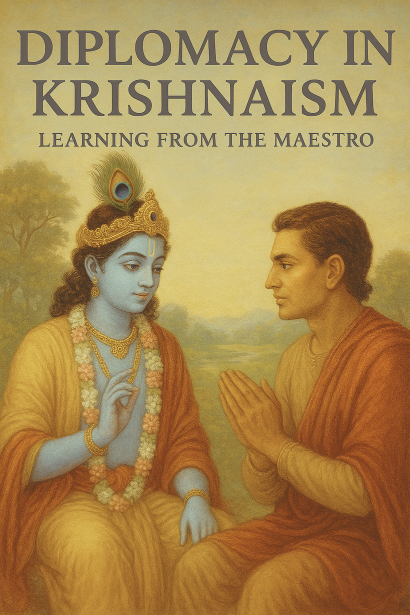
Krishna showed deep insight into his friend's limitations—he knew Arjuna and Karna were equally matched and prompted Arjuna to take Karna's life by unfair means, without which the war would never have turned in the Pandavas' favour.
Like Krishna did during the Mahabharata war, and use it for Bharat to rise as a winner in the global game, she must develop the art of balance between bold action, strategic patience, and diplomacy. She must grasp the ever-changing interests of her friends and foes and read into their psyche, just to her advantage. We stand now at the cusp of development in leaps and bounds. We must harness our potential and turn it into something worthwhile. Although the Republic of India turned seventy-eight this year, Indian civilisation has been here for millennia. And it is high time we look back at our past with pride and learn to prove our mettle, forging a bright future for ourselves.