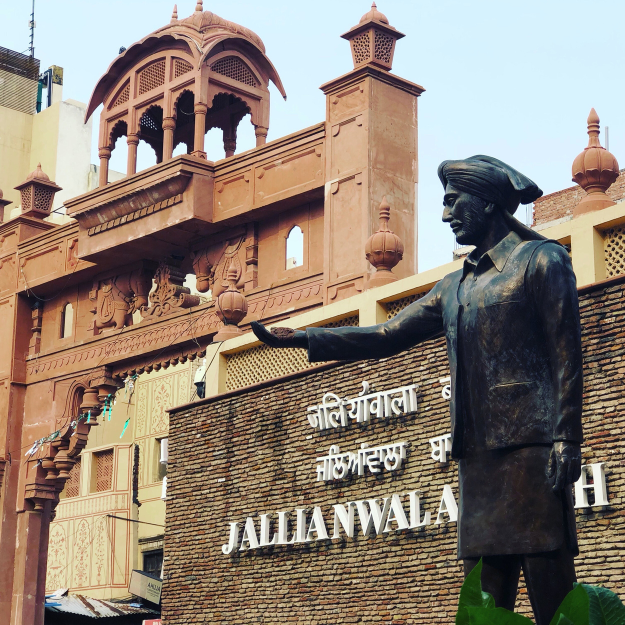
On April 13, 1919, thousands of Indians gathered at Jallianwala Bagh in Amritsar to conduct a peaceful protest against unjust British laws. Men, women, families, and even children were part of the crowd. But what started as a serene gathering turned into a nightmare when British soldiers opened fire without warning. This horrific day shook the entire nation and became a turning point in India's struggle for freedom.
The Jallianwala Bagh massacre, also known as the Amritsar massacre, took place during the Sikh festival of Baisakhi. It was triggered by a combination of factors, including the oppressive Rowlatt Act, which sparked widespread protests across India and led to the arrest of prominent independence activists such as Dr. Satyapal and Saifuddin Kitchlew.
The Rowlatt Act, passed by the British colonial government, granted authorities the power to arrest anyone without a trial or evidence and detain them for two whole years. This act curbed and suppressed fundamental rights, including freedom of expression, while expanding police powers. Political leaders such as Mahatma Gandhi, Mohammad Ali Jinnah and others believed that the government had no right to restrict people's basic freedoms. Leaders condemned the act as 'devilish' and 'tyrannical'. Gandhiji called on Indians to observe April 6, 1919, as a day of non-violent resistance to this act, marked by 'humiliation and prayer' and a Hartal (strike). This was an event in which Indians shut down businesses and went on strike for their rights, in defiance.
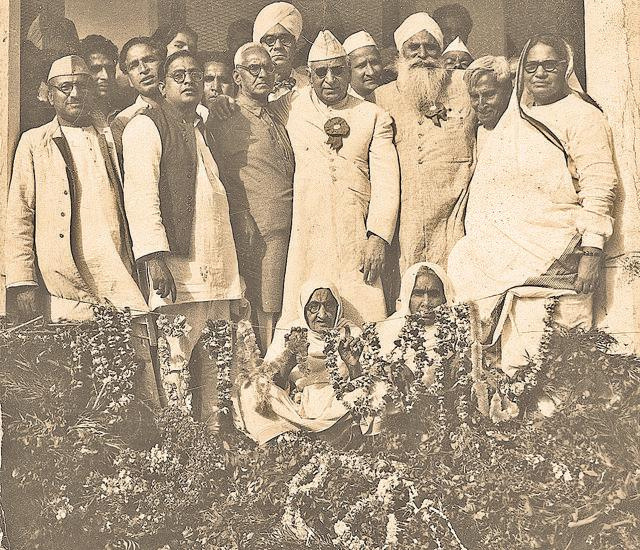
Satyagraha Sabhas were formed to spearhead the movement. The Rowlatt Satyagraha became the first nationwide movement against British rule, though it was largely limited to urban areas. In April 1919, there were a number of demonstrations and Hartals in the country, and the government used brutal measures to suppress them. During the Rowlatt Satyagraha, the participants emphasised that Hindus and Muslims unite in the fight against colonial rule. This was also the call of Mahatma Gandhi, who always envisioned a united India embracing democracy.
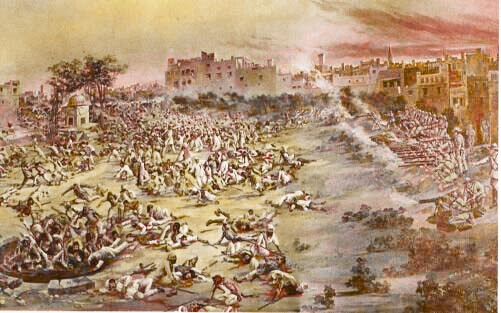
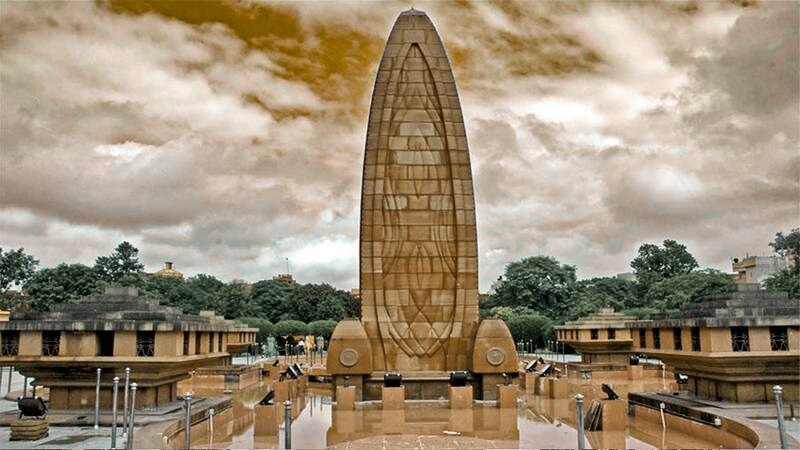
On the following day, April 13, 1919, individuals from nearby villages and towns gathered for the Baisakhi festival. During the festival, which also became a protest against the Rowlatt Act and the arrests of independence activists, General Dyer surrounded the crowd with his troops. Jallianwala Bagh was enclosed on all three sides by buildings, with only one narrow exit. After blocking the only exit with his troops, Dyer ordered them to open fire, continuing as protesters tried to flee. They kept on firing until their ammunition was low and they were finally ordered to stop. Estimates of those who were killed were nearly fifteen hundred people, and more than twelve hundred people were injured. Britain never formally apologised but expressed 'deep regret' over the massacre.
The Jallianwala Bagh massacre provoked widespread anger and outrage across India. It fuelled a sense of injustice among Indians, becoming a major factor towards the growing anti-British sentiment. Rabindranath Tagore expressed the nation's grief by renouncing his knighthood. Other leaders, including Gandhi, promoted non-violent civil disobedience movements. This movement was a direct response to the massacre and to achieve Swaraj.
Jallianwala Bagh was more than just a tragic event. It was a pivotal moment in India's freedom struggle. The fumes of grief and rage of that day turned into strength, which brought people to fiercely fight for freedom, believing that only independence could bring justice. This painful event left us a lesson, to stand up to brutality and never abandon one's quest for justice.